
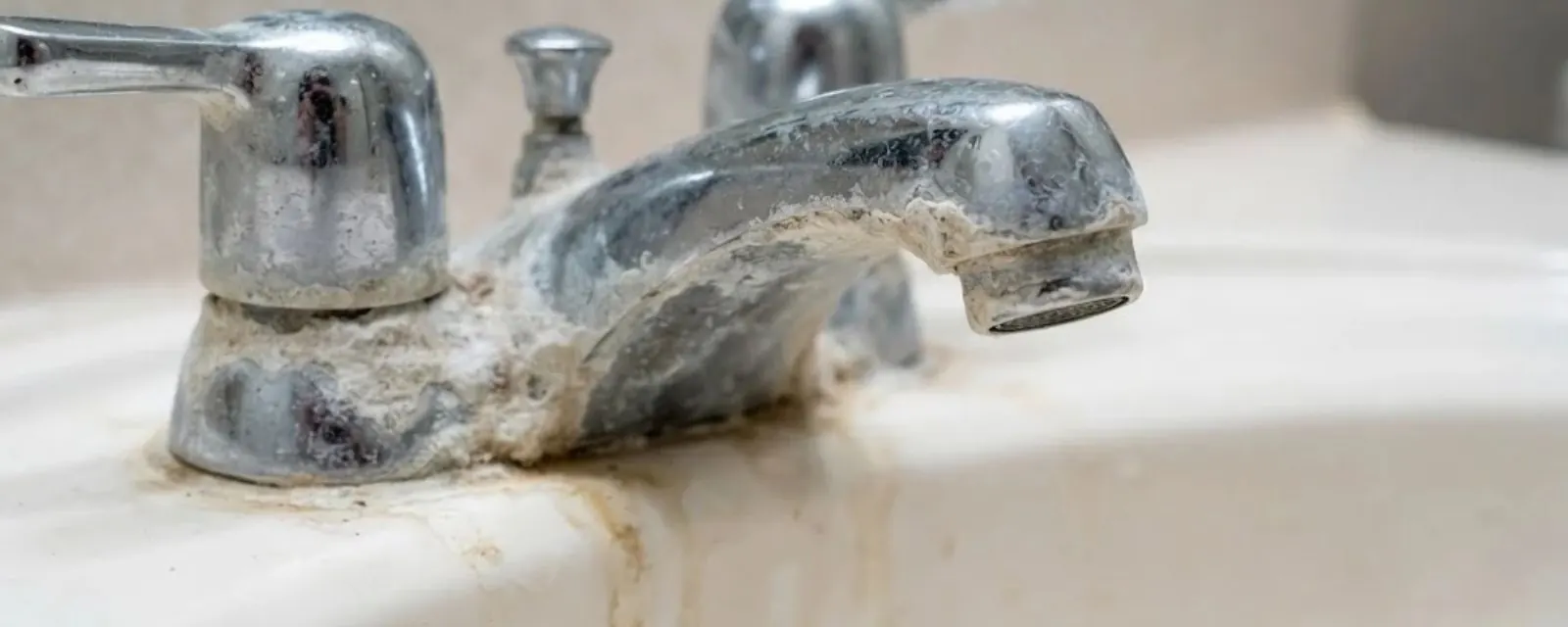
What Herriman's water does inside your tank
Herriman City says its wells usually run 25 to 60 grains per gallon of hardness, while Jordan Valley Water Conservancy District water is 10 to 12, and that the water is very hard. Heating that water drops calcium and magnesium out as scale, which settles on the tank floor and coats electric elements.
The mix also moves with the seasons. The city switches to the Jordan Valley winter source in mid October and brings wells back in spring as demand rises, so the water gets harder again. Sediment from the harder months stays in the tank all winter, so an autumn flush clears it before the busiest hot water season.
How often to flush, a simple decision guide
| Your situation | Flush timing to consider | Why |
|---|---|---|
| No softener, tank over 5 years old | Every 6 to 12 months | Very hard water drops scale quickly |
| Softener installed and working | Once a year | Softened water leaves far less scale |
| Popping or rumbling sounds when heating | Flush now | Steam bubbles under a layer of sediment |
| Tank 10 or more years old and never flushed | Call before opening the drain | A cemented drain valve can fail |
| Hot water runs out fast | Flush and test the elements or burner | Sediment steals tank volume |
A tank that has never been flushed sometimes has a plugged drain valve. Do not force it, and call for water heater repair instead.
General flush steps
Let the water cool for an hour or two first. Tank water can scald.
Kill the heat source
Electric heaters need the breaker off, because running elements while the tank is empty burns them out in seconds. Gas heaters get the control set to pilot or off.
Close the cold supply
Shut the cold water valve on top of the heater so the tank does not refill while draining.
Attach a hose
Thread a garden hose onto the drain valve and run it to a floor drain, laundry standpipe or utility sink.
Open a hot tap and the drain
Open any hot faucet upstairs to let air in, then open the drain valve. Flush until the water runs clear.
Refill before restoring heat
Close the drain, open the cold supply, and keep the hot tap open until it runs with no air. Then restore power or relight the pilot.
Where the water goes matters. The city prohibits non-stormwater discharges to its storm system, so do not run the hose to the street gutter.
Gas versus electric safety
On an electric unit, the breaker must be off before water leaves the tank, and a wet element can be lethal. Test with a non-contact voltage tester if you have one.
On a gas unit, smell for gas before relighting. If you smell rotten egg, leave the home, then call 911 and Enbridge Gas at 1-800-767-1689. Do not use switches or a phone inside. Never touch the temperature and pressure relief valve discharge pipe with your bare hands, since it can release scalding water.
Drain valve stuck or tank rumbling? Call (385) 488-1892 and a licensed plumber will inspect it with a clear price before work starts. See water heater repair.
Call (385) 488-1892The anode rod, the part that protects your tank
The anode rod is a magnesium or aluminum rod that corrodes first so the steel tank does not. A heavily scaled tank hides how worn the rod is, which is one more reason to flush first. Many manufacturers suggest checking the rod every few years, and a rod worn down to the core wire means the tank lining is now exposed.
Pulling the rod needs a 1 1/16 inch socket and room above the heater. If the tank is more than ten years old, ask whether a flush plus a new rod is worth it or whether replacement makes more sense.
Signs the tank is asking for attention
Popping, rumbling or a hiss as the burner or element runs is steam forcing its way through sediment. Water that smells metallic, runs out sooner than it used to, or shows rust-colored flakes also points to a tank that needs a flush.
A flush is not a cure for a leaking tank. Water pooling at the base of the heater usually means the steel shell has failed, and the fix is a new heater. A drip from the relief valve pipe is a different problem, often thermal expansion or a worn valve, and it deserves a visit from a plumber.
Tankless units scale too
A tankless heater has no tank to fill with sediment, but scale coats its heat exchanger and narrows the water path. Flushing a tankless unit means circulating a descaling solution through the service valves with a small pump, which is a different job from draining a tank.
Because Herriman requires a gas diagram for tankless installations, ask the installer to note the venting and the gas line size at the time, so later service starts with good information.
Permits and what counts as maintenance
Herriman's building page says repair and maintenance of existing plumbing does not need a permit, while replacing or adding a water heater does. A flush, a new anode rod or a new drain valve is maintenance. A tankless conversion requires a gas diagram.
Cities nearby see it too
South Jordan's city site lists its water at 7 to 10 grains per gallon, which it calls hard. Homes in South Jordan and West Jordan draw mostly on Jordan Valley supply, so they may see lighter scale than a Herriman home on a heavy well blend, but flushing every year or two still pays off.
Water heater flushing questions from Herriman homes
Can flushing damage an old water heater?
It can. On a tank that has not been flushed for years, stirring up sediment can plug the drain valve or reveal a leak that scale was sealing.
Do I need a softener if I flush regularly?
Flushing removes the buildup, a softener prevents most of it. Given the city's hardness numbers, many homes benefit from both. See softener installation.
Is the sediment dangerous to drink?
It is mineral scale and generally not a health issue, but it hurts efficiency and shortens the life of the tank.
How long does a flush take?
Plan on about an hour including cooling, draining, and refilling, with a standard 40 or 50 gallon tank.
Does Herriman's switch to winter water change when I should flush?
The mid October change to the JVWCD winter source softens the blend for the cold months, but sediment already in the tank stays until drained. Autumn is a sensible time for a flush.
Not sure the tank is worth saving? Call (385) 488-1892 and give its age from the rating plate.
Call (385) 488-1892Sources and standards
Local rules and figures in this guide come from the public sources below. Fees and codes change, so confirm the current version before you act on it.